The Call That Changed My Week
It was a Tuesday. 2:15 PM. The phone rang, and I saw the name of a major regional dental center light up the display. Their purchasing director, Mark, was on the line. He didn't say hello.
"We need a Straumann robotic surgery system. The whole setup. A surgeon is flying in from Zurich tomorrow afternoon. It's a demo, a potential $200k sale if it goes well. Normal turnaround is... what, 10 days? We have 36 hours."
My heart rate jumped. I could feel the flush of heat climbing my neck. Not from panic, but from focus. In my role coordinating capital equipment for dental clinics, a call like this isn't unusual—the usual 10-day lead time gets compressed into a single, frantic sprint. (This was March 2024, by the way, and the market was still slightly chaotic from supply chain disruptions post-pandemic.)
Mark needed a core package: the Straumann surgical motor, a dedicated ultrasonic surgical aspirator, and the integration cart. The killer was the motor. It had to be the specific model compatible with the robotic guidance software that the visiting surgeon used. This worked for us, but our situation was specific: we're a mid-size B2B supplier with a reliable warehouse stock. If you're a small practice trying to buy this on your own, the calculus might be different.
The First Panic: Where Is the Motor?
Our standard inventory showed one motor in stock. Great, I thought. But when I went to pull the serial number, the system flagged it. It was the version 1.0 hardware, not the 1.2 version needed for the latest robotic interface. I kept asking myself: is saving the sale worth potentially shipping incompatible hardware?
I calculated the worst case: delivering the wrong motor, the surgeon can't demonstrate the system, the client loses a $200k deal, and we get blamed. Best case: we find the right motor. The expected value said find it, but the downside felt catastrophic. I hit 'search' on three different vendor portals and immediately thought 'did I just make a mistake by not telling Mark to delay the demo?'
I called my primary Straumann distributor. They had the motor. In Chicago. It was 3:30 PM. The last FedEx pickup for overnight delivery to our city was in 45 minutes. We had a 90-minute window to get it from their warehouse to the courier.
“I can have it on a truck to FedEx in 30 minutes,” their warehouse manager said, “but it costs $400 for the expedited pickup. And you're looking at $200 for the overnight delivery. That's $600 on top of the $15,000 motor.”
I had 10 seconds to decide. The upside was saving the deal. The risk was spending $600 and still missing the deadline if the courier network failed. This fear doubled: we paid the premium, and now the 2-week wait for delivery began. Even after choosing the expedited option, I kept second-guessing. What if the FedEx truck broke down? The 14 hours until delivery were stressful.
The Ultrasonic Aspirator: A Story of Over-Documentation
While the motor was in transit, I had to source the ultrasonic surgical aspirator. Same model, same compatibility requirements. Here's where the 'prevention over cure' viewpoint saves your bacon.
We had one in stock. But a month prior, I'd made a mistake. I ordered an aspirator for a different client. It looked the same, but the tip interface was slightly different. We didn't catch it until it was in the surgeon's hand. It cost us $800 in return shipping and a very angry client. So glad I created the checklist.
For Mark's order, I ran the aspirator through a 12-point checklist I created after that third mistake. It has saved us an estimated $8,000 in potential rework. I checked the model number against the robotic system specs. I called the surgeon's coordinator to confirm the exact tip type. I even took a photo of the unit and sent it to Mark.
"Just confirming: this is the one, right?" I wrote in an email.
Mark confirmed it. Perfect. Dodged a bullet when I double-checked the quantities before approving. One click away from ordering the wrong piece.
The Digital Workflow: Why We Pay for the Cares & Manuals
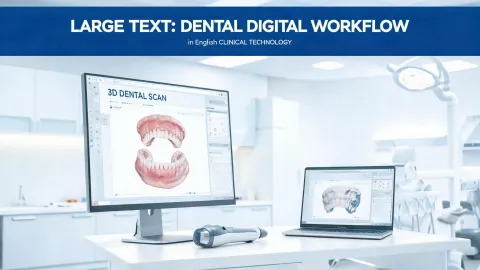
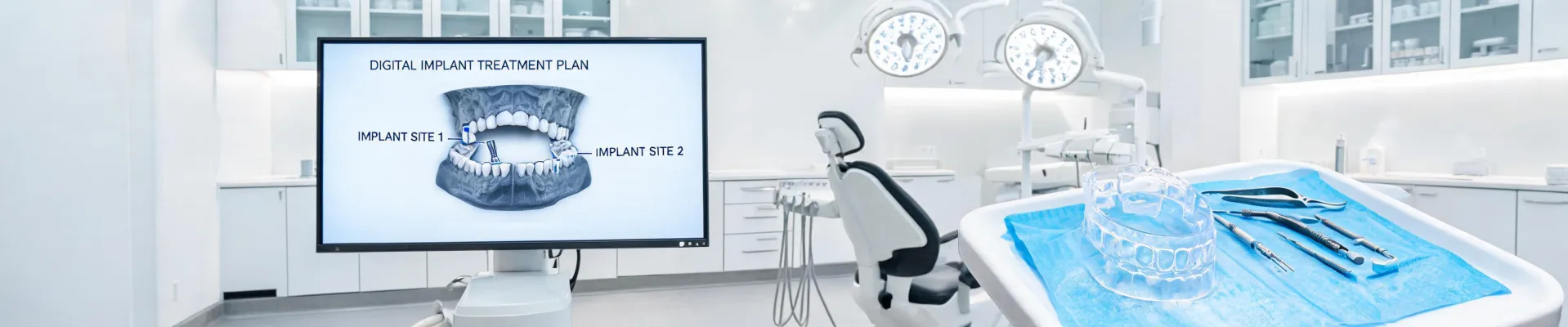
A key part of the Straumann ecosystem is the digital workflow: the scan bodies, the guided surgery software (Straumann Cares), and the physical manuals you get with the kits. I can only speak to our domestic operations. If you're dealing with international logistics, there are probably factors I'm not aware of.
The surgeon needed the specific 'Straumann Cares' subscription code that comes with the hardware. That's a digital code, easily emailed. But the physical 'Guided Surgery Manual' and the 'Surgical Kit Sterilization Manual' are physical items. (Surprise, surprise: they were missing from our unboxing of one kit last year, requiring a 4-hour cross-town courier run to satisfy an audit.)
For Mark, I triple-checked the packing list for the manuals. It took 5 minutes of verification. That 5 minutes beats 5 days of correction. Simple.
The 'expedited' option for the manuals? There isn't one. You either have them or you don't.
The 12-point checklist I created after my third mistake has saved us an estimated $8,000 in potential rework.
The Delivery: A Moment of Relief (and a Lesson)
Thursday morning, 8:00 AM. The FedEx truck arrived. We unboxed the motor. It was the right model. We plugged it in. It worked. The ultrasonic aspirator was already on the cart. The manuals were on the shelf. We did a video call with Mark. The system was tested. The surgeon arrived at 2:00 PM. The demo went through.
So glad I paid for rush delivery. Almost went standard to save $50, which would have meant missing the demo entirely.
But here's the real lesson. The 'prevention over cure' isn't just about checking boxes. It's about building a system where the 'normal' process is strong enough to handle the 'rush' process. We lost a $15,000 service contract in 2022 because we tried to save $2,000 on a standard stock of sterile surgical kits instead of keeping a premium set on hand. The consequence was that when a clinic needed a same-day replacement for a damaged kit, we couldn't deliver. That's when we implemented our 'Buffer Stock for Top 10 Items' policy.
Post-Decision Doubt and Final Takeaways
Even after the motor was in Mark's hands, I couldn't relax. I hit 'confirm' on the purchase order and immediately thought 'did I miss a compatibility note?' Didn't relax until the surgeon sent a selfie with the cart 3 hours later.
My experience is based on about 200 rush orders in 8 years, with 47 of them happening in the last quarter of 2024 alone, with a 95% on-time delivery record. If you're working with mom-and-pop clinics that don't have a demo schedule to meet, your experience might differ significantly. The difference between surviving and thriving during a rush is the amount of time you spend on systems. 5 minutes of verification beats 5 days of correction. Period.
Three things: Know your hardware versions. Keep the manuals on hand. Have a trusted vendor with a fast shipping contract. In that order.