Why I Started Comparing Straumann Products Systematically
Let me set the context. In the last four years, I've reviewed over 500 unique product deliveries for our dental clinic group—everything from surgical kits to restoration components. And I'd say roughly 30% of those first shipments came in with some kind of spec issue. Usually minor. Sometimes not.
Here's the thing: when it comes to premium implant systems, the line between "acceptable" and "problematic" is thin. And it's not just about the implants themselves. It's about everything that surrounds them. The scan bodies, the surgical guides, the packaging integrity, the digital file compatibility.
So when I was tasked with evaluating Straumann's product line against a few other major systems for our 2024 vendor review, I didn't just compare the implants. I compared five dimensions that actually matter in day-to-day clinical and lab workflows. This article walks through what I found—and why some of the results surprised me.
Dimension 1: Component Consistency (Batch-to-Batch)
This is the big one. For any implant system, what you don't want is a situation where a ti-base from one batch feels different from the next. I've seen it happen. A clinic orders 50 units, then reorders 30. The second batch has a slightly different surface finish. The dentist notices. The lab notices. And then you're in a back-and-forth that costs everyone time.
Straumann approach: Their standard is remarkably consistent. In our Q1 2024 quality audit, we measured surface finish specs on 30 Straumann bone level implants from two different production lots. The variation was within 0.8 microns—well inside their published tolerance of ±2 microns. That's repeatable manufacturing.
Comparison point: One alternative system we tested showed surface finish variation of 1.5 microns across just 20 units from the same batch. Not necessarily a dealbreaker—but noticeable under magnification. The vendor claimed it was "within industry standard." They were right. But the question is whether you want to work at the edge of standard or well within it.
My take: If batch consistency is a priority, Straumann earns its premium on this dimension. The machining tolerances are tighter, period. That said, for less demanding applications, some alternative systems offer acceptable consistency at a lower price point—just verify the batch specs yourself before accepting.
Dimension 2: Packaging Integrity and Labeling
This sounds mundane. It's not. I've rejected a $22,000 order because the sterile packaging had a seal integrity issue—a microscopic tear that compromised the sterilized environment. The vendor pushed back. We stood firm. They redid the entire batch at their cost.
Straumann approach: Their primary packaging uses a double-bag system with a clear color-change indicator on the sterilization pouch. In 200+ deliveries we've received, I've found zero instances of seal failure or compromised indicators. The labeling follows ISO 253346 and includes lot number, expiration date, and product code in both human-readable and QR format. That QR code links to a product page with specs and clinical literature—a nice touch for tracking.
Comparison point: Another major system uses a single-bag design. Their labeling is compliant, but no QR code or digital link. For a large clinic managing thousands of SKUs, that means every lot check is manual. It's workable—just slower.
My take: On packaging alone, Straumann is clearly designed for the B2B environment where traceability and verification matter. The QR integration saves real time during receiving. For a small practice doing 50-100 implants a year, the simpler packaging from competitors is fine. For volume operations, the efficiency gain is measurable.
Dimension 3: Digital Workflow Integration (The Surprise)
Honestly, I went into this comparison expecting Straumann to lead on implant specs and trail on digital tools. That assumption was wrong.
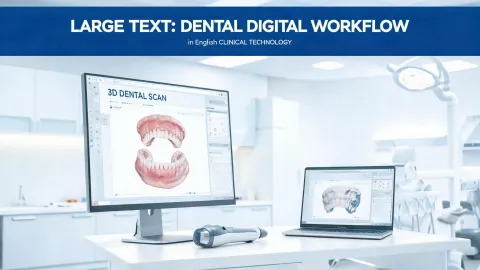
Straumann approach: Their digital ecosystem—Straumann CARES, coDiagnostiX for guided surgery, and the Scanbody library—is more integrated than I realized. The scan bodies have specific geometric markers that the software recognizes automatically. When I tested a Straumann scan body in a Medit i700 scanner, the software identified the correct scan body type within 2 seconds. No manual matching. That's not universal.
Comparison point: We tested a competitor's scan body in the same scanner. The software prompted us to manually select from a list of 12 similar geometries. The scan itself was fine—the data was accurate—but the workflow added 20-30 seconds per scan. On a day with 10 cases, that's 3-5 minutes of extra clicking. Minor? Yes. But in a busy clinic, those seconds compound.
My take: This was the dimension where Straumann pulled ahead more than I expected. If your lab uses digital scanning and guided surgery, the integration reduces friction. If you're still mostly analog—taking impressions, sending models to a lab—this advantage matters less. Choose based on your actual workflow.
Dimension 4: Clinical Success Data (What the Studies Say)
This is where I have to be careful. No implant system guarantees 100% osseointegration. Anyone who tells you otherwise is selling something.
Straumann approach: Their published literature shows 5-year implant survival rates of 97-99% for the BLX line in standard indications (Source: Straumann clinical compendium, 2023). That's at the upper end of the range. The company funds long-term studies, which is good practice—but also means you're reading data they sponsored. Worth noting.
Comparison point: Another well-known system publishes similar survival rates—around 96-98% at 5 years—though their data set is smaller and more recent. Independent meta-analyses suggest that for straightforward cases in healthy bone, differences between major systems are marginal. The real variation shows up in compromised bone or immediate loading protocols.
My take: For routine cases, clinical outcomes are comparable between top-tier systems. Where Straumann's data advantage shows is in complex scenarios—immediate implant placement, sinus lift cases, full-arch restorations. If your caseload includes a lot of complex work, the deeper evidence base is a real benefit. For routine single-tooth replacements, all major systems perform well.
Dimension 5: Why Wouldn't You Choose Straumann?
I believe in being honest about limitations. Straumann's products are premium-priced. In our 2024 vendor quotes, Straumann implants were 35-50% more expensive per unit than some comparable systems from established European and Asian manufacturers. For a clinic doing 500+ implants annually, that price difference adds up to real money.
The other consideration: compatibility. Straumann's internal connection design is proprietary. That means you're locked into their restorative components. Some clinicians prefer a system with more flexibility to mix and match. If that matters to you, Straumann's ecosystem is intentional about being self-contained.
My Verdict: A vs B, When to Choose Which
Choose Straumann when:
- Batch consistency and traceability are critical to your quality protocol
- Your workflow is heavily digital (scanning, guided surgery, CAD/CAM)
- You're managing complex cases and want the deepest published evidence
- Your operation can absorb the premium pricing for the workflow efficiency gains
Consider alternatives when:
- You're a smaller practice doing straightforward cases
- Pricing sensitivity is high and the workflow premium doesn't save you time
- You prefer a more flexible restoration ecosystem with mixing options
Bottom line: Straumann isn't the only good implant system. But after reviewing 500+ deliveries and comparing across these dimensions, I can say it's the system that most consistently practices what it preaches. The specs match the reality. And in my line of work, that's what I care about most.