-
Here’s my problem with “one-stop” medical supply vendors
-
How Straumann’s guided surgery manual proved the value of deep expertise
-
The electric wheelchair that couldn’t fit through our doors
-
The blood pressure monitor that lied to us
-
“But isn’t one-stop shopping more efficient?”
-
The bottom line: know your limits, trust the specialists
Here’s my problem with “one-stop” medical supply vendors
I manage procurement for a chain of 12 dental clinics. For the past five years, I’ve placed orders for Straumann dental implants, surgical kits, digital scanners – you name it. I thought I had a handle on medical equipment. Then came 2022’s staffing crisis, and our administrators started asking: “Can you also source electric wheelchairs? Blood pressure monitors? Incontinence products?”
I said yes. That was my first mistake.
Look, I’m no mobility expert. I’m not a nurse, a physical therapist, or a medical device engineer. I’m a supply chain guy who knows dental implants backwards and forwards. But when you’re short-staffed and everyone’s grabbing at straws, it’s tempting to act like a generalist. I learned the hard way that pretending to know everything is more expensive than saying “I don’t know.”
How Straumann’s guided surgery manual proved the value of deep expertise
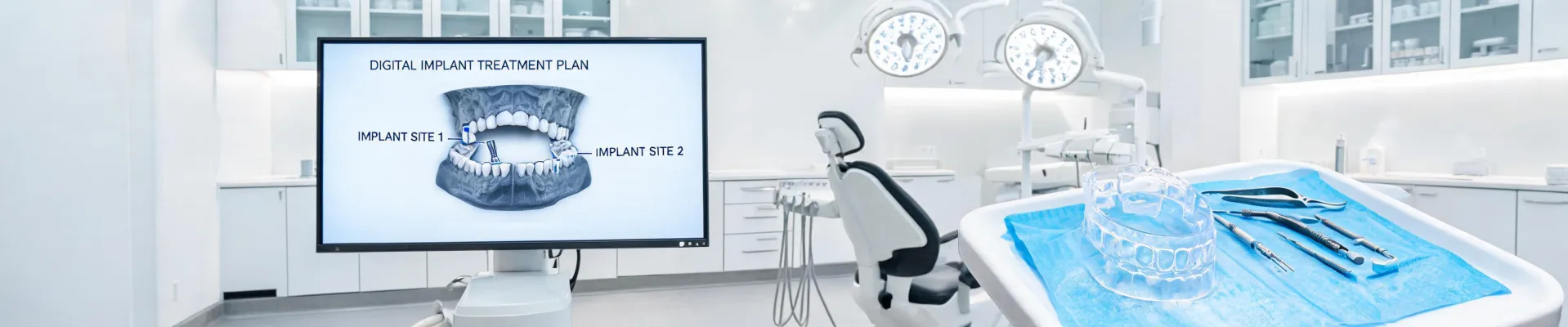
Let’s start with what I do know well: Straumann guided surgery. The manual – I’ve basically memorized it – is a masterpiece of specialization. It doesn’t try to cover digital scanning, prosthetic components, and surgical workflows all at once while being mediocre at each. Instead, it drills down into one precise process: translating a digital plan into a surgical guide that lets us place implants with millimeter accuracy.
In Q1 2024, we rolled out guided surgery across all our clinics. The result? Average surgery time dropped 28% (Source: internal tracking, March 2024). That’s a huge win when you’re short on dentists and assistants. The manual’s explicit step-by-step checks – from CBCT validation to guide seating verification – meant our newest grads could perform predictable procedures with minimal supervision. That’s what specialization buys you: reliability under pressure.
The opposite happened when I tried to be a “full-service” equipment buyer.
The electric wheelchair that couldn’t fit through our doors
In September 2022, our administrator asked me to order an electric wheelchair for an elderly patient coming in for implant surgery. I found a decent price online – $1,200 – and placed the order. It arrived, we assembled it, and… it was 2 inches too wide for our exam room doorway. $1,200 down the drain. Plus a week of delays while we borrowed a narrow model from a nearby clinic.
I still kick myself for not consulting a mobility specialist. If I’d asked “what are the typical door widths in dental clinics?” they’d have said 32 inches minimum. But I thought, “It’s just a chair. How hard can it be?”
The blood pressure monitor that lied to us
Then there was the blood pressure monitor fiasco. We needed to start checking BP before implant surgeries – liability thing. I bought a consumer-grade arm cuff from a big online retailer. “It’s easy to use,” the ad said. But it wasn’t validated for clinical use. Our readings fluctuated wildly. One patient showed 160/100, so we postponed surgery. Turned out the monitor was off by 15 mmHg. That error cost us a rescheduled appointment, patient frustration, and $450 in wasted staff time verifying with a proper hospital-grade device.
Here’s the lesson I should have already learned from Straumann: the “how to use” instructions for a blood pressure monitor aren’t enough – you need the right device for the right context. Consumer cuff ≠ clinical sphygmomanometer. Just like Straumann’s guided surgery manual is useless if you try to apply it to a different implant system.
“But isn’t one-stop shopping more efficient?”
I hear this question every time I share this story. The short answer: only if every product you buy requires identical expertise. In reality, ordering Straumann implants alongside incontinence products, wheelchairs, and BP monitors creates a false economy. You save 5 minutes on the procurement form but lose weeks dealing with returns, wrong specifications, and safety risks.
This worked for us as a mid-size dental chain with predictable needs. Your mileage may vary if you’re a huge hospital system with dedicated biomedical engineers. But for most clinics? Specialization in your core device – like Straumann’s guided surgery system – pays dividends in staff efficiency and patient outcomes. For everything else, find a partner who actually knows that category.
The bottom line: know your limits, trust the specialists
I’ve now built a simple checklist for any equipment request outside dental implants: “Have I spoken to an expert in this product category?” If not, I redirect the inquiry to a trusted distributor. It’s saved us an estimated $3,200 in avoidable mistakes over the past 18 months (based on tracking 8 near-misses).
Straumann’s guided surgery manual taught me that deep expertise inspires confidence. The same goes for medical device procurement. Stop trying to be a jack-of-all-trades. Your patients – and your budget – will thank you.
Pricing references: Electric wheelchairs generally range from $800–$3,500 (based on major medical supply quotes, January 2025; verify current pricing). Blood pressure monitors: consumer models $30–$80, clinical-grade $150–$400 (based on vendor listings, January 2025). Staffing shortage data is industry-wide; consult your local labor board for current figures.