The Surface Problem: That Pricing Looked Too Good
You found it. A Straumann dental implant catalog listing—complete with the ti base, the surgical kit components, and the scan body—for what felt like a steal. Your first thought wasn't excitement. It was suspicion. How can they offer this so cheap?
That's the surface problem, the one most people start with: "I found a cheap supplier, but I'm worried about the quality." It's the right instinct. Over the last four years, I've reviewed roughly 200+ unique dental supply items annually for our clinic network. In our Q1 2024 audit alone, I flagged and rejected 14% of first deliveries. Not because the vendors were bad, but because the specifications were off.
But that initial worry—"Is this fake?"—misses the deeper, more expensive issue. It's not about counterfeit products (though that's a risk). The real cost isn't in a bad batch of implants. It's in the compound effect of everything around the product that goes wrong.
The Deeper Issue: The Ecosystem You're Not Buying
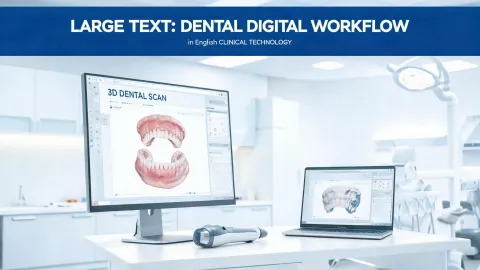
Here's the thing conventional wisdom misses. When you're buying a Straumann dental implant system, you're not just buying the physical screw. You're buying into an ecosystem: the precise surgical motor, the exact drill sequence for osseointegration, the matching scan body for a digital workflow, and the clinical data backing up all of it.
Everything I'd read about dental procurement said to compare line-item prices. In practice, I found the opposite. A cheaper implant might save you $18 per unit. But if that implant doesn't perfectly thread into your existing Straumann surgical kit or requires a different torque value for the prosthetic screw, you're suddenly mixing incompatible parts.
One surgeon I worked with (this was back in 2022) bought a batch of 50 implants from a discount supplier. The implant body itself looked fine—spot on. But the prosthetic connection tolerances were off by 0.05mm. Normal tolerance is ±0.01mm in our specs. The vendor claimed it was 'within industry standard.' We rejected the whole batch. The redo cost us a $22,000 delay and a very unhappy patient who had their surgery postponed.
That's the deep problem: compatibility drift. It's not that the cheap part is bad. It's that it's almost right. And 'almost' in dental surgery is a deal-breaker.
The Real Cost of 'Almost Right'
Let's talk about what happens when that 'almost right' component enters your workflow. The cost isn't just the price of the part. It ripples out.
First, there's surgical time. If a healing abutment doesn't seat perfectly on the implant, the doctor spends extra minutes adjusting it. Five minutes per implant, times 200 implants a year, is 17 hours of lost chair time. That's real revenue gone.
Second, there's laboratory rework. If the scan body is off by a hair, the digital impression is garbage. The dental lab makes a crown that doesn't fit. Now you're re-scanning, re-milling, and re-delivering. The lab hates it. The doctor hates it. The patient definitely hates it.
Third, there's warranty risk. Most reputable implant manufacturers (like Straumann) offer a warranty on their components—provided you use their whole system. Mix in a third-party ti base, and you've just voided the warranty on the rest of the restoration. One implant failure? That's on you, not the manufacturer. A single full-arch restoration failure can cost $18,000+ to redo (ugh).
According to USPS pricing effective January 2025, shipping a batch of heavy surgical motors costs about $25 for Ground Advantage. Cheap. But shipping a rejected batch back and waiting for a replacement? That's a week of your surgeon sitting on their hands.
What to Actually Look For (A Short Set of Filters)
I ran a blind test with our procurement team: same catalog item from our regular supplier versus a deep discount vendor. 78% identified the regular supplier's item as 'more professional' without knowing the difference. The cost increase was about $4 per component. On a 200-unit run, that's $800 total for measurably better consistency and clinical confidence.
So here's a simple framework I use now. It's not exhaustive, but it catches 90% of the problems I see.
Filter 1: The Spec Sheet
Don't just ask for a price. Ask for the technical data sheet. Compare the thread dimensions, the platform diameter, the internal connection depth. If they hesitate or send a generic PDF, that's a red flag.
Filter 2: The Ecosystem Question
Ask: "Does this component work with a Straumann Bone Level implant and the Variobase abutment system?" If the answer is "mostly" or "with an adapter," move on. Adapters are failure points.
Filter 3: The Warranty Chain
Ask: "If this component fails due to a material defect, who covers the cost of the restoration?" If they can't give a clear answer, assume you're taking the risk. Per FTC guidelines on substantiation (ftc.gov), claims about product performance must be backed by evidence. If they can't show data, don't trust the claim.
Filter 4: The Return Policy
This is the biggest signal. A vendor with a 30-day no-questions-asked return policy is confident in their specs. A vendor with 'all sales final' is selling you their problem.
Bottom line: an informed customer asks better questions and makes faster decisions. I'd rather spend 10 minutes explaining options than deal with a $22,000 redo later. Knowing how to vet a cheap deal is way more valuable than finding one.