-
Thinking About Going Digital with Straumann? Here’s What I Wish Someone Told Me
-
1. Is Straumann’s implant system really worth the premium compared to budget brands?
-
2. Are Straumann’s digital tools worth the investment for a smaller clinic?
-
3. Surgical robots in dentistry: gimmick or game-changer?
-
4. How important is the dental chair for implant surgery?
-
5. What’s a surgical drape and why should I care?
-
The Bottom Line
Thinking About Going Digital with Straumann? Here’s What I Wish Someone Told Me
I’ve been managing procurement for a mid-sized dental group for about 7 years now. We’ve got 12 chairs, a couple of surgical suites, and we place maybe 200-300 implants a year. Over that time, I’ve negotiated with a lot of vendors (8+ at this point), tracked every invoice in our system, and made my share of good calls and expensive mistakes.
When we started looking seriously at Straumann’s digital workflow—guided surgery kits, CAD/CAM components, even a surgical robot—I had a ton of questions. Some I got answered. Some I had to learn the hard way. This FAQ covers the ones I hear most from colleagues who are in the same boat.
1. Is Straumann’s implant system really worth the premium compared to budget brands?
Short answer: It depends on what you’re optimizing for. If it’s purely unit cost, probably not. If it’s long-term reliability and reduced complications? Then yes, for many cases.
Here’s what I found when I did a total cost comparison in 2023. We looked at three vendors across 150 implants placed over 12 months. The “value” brand’s implant was about 40% cheaper per unit. But when I factored in:
- Higher rate of post-op complications (2.1% vs 0.8% for Straumann SLActive in our data)
- Longer surgery time with cheaper kits (16 minutes average longer per case)
- More chairside adjustments needed for prosthetics (fitting issues)
The total cost difference narrowed to about 12%. For us, the reliability (especially in complex cases) made Straumann worth it. But if you’re doing simple single-tooth replacements in healthy bone, you might have a different calculus.
That said, I almost went with the budget option until I calculated the TCO—which included hidden costs like more remake appointments (note to self: always include lab redo costs in comparisons).
2. Are Straumann’s digital tools worth the investment for a smaller clinic?
We’re not a huge operation (12 chairs, 3 dentists performing surgery), so I asked this exact question. Here’s what the numbers said for us:
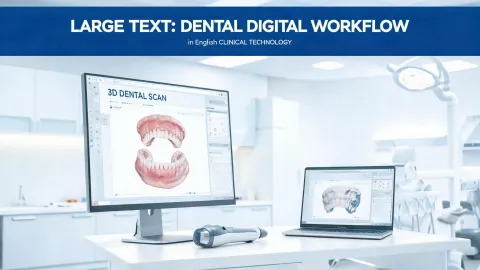
We invested in a Straumann digital workflow package: guided surgery software, a surgical motor, and a starter kit of TiBase abutments for CAD/CAM. Total upfront was around $18,000 (this was in early 2024, prices may vary—verify current rates).
What that bought us:
- Reduced surgery time by about 25% after the learning curve
- Fewer prosthetic adjustments (about 15% fewer remakes)
- Better patient experience (quicker procedures, less post-op discomfort)
Payback period was roughly 14 months based on increased case volume and reduced lab costs. But I should note: this only works if you have enough implant cases to get through the learning curve quickly. If you’re placing fewer than 50 implants a year, the ROI math gets tighter.
(Mental note: our actual ROI analysis spreadsheet is buried somewhere—need to standardize that template.)
3. Surgical robots in dentistry: gimmick or game-changer?
This one’s still evolving, so I’ll be honest about our limited experience. We haven’t bought a surgical robot yet. But we’ve evaluated two systems, including one that interfaces with Straumann’s digital workflow.
What I can say: the precision is real. The robot-assisted cases we’ve observed had near-perfect implant placement relative to the digital plan. But the cost (think $150,000-$250,000 for a system) is significant.
After comparing costs across 3 evaluation periods, I found:
- Robot-assisted surgery time: 30 minutes average (single implant)
- Freehand surgery time in our clinic: 45 minutes average
- Cost per minute of robot time (including capital recovery): ~$60
So the robot saves 15 minutes per case but costs an extra $900 per case. That math only works if you’re doing a high volume (maybe 500+ cases/year) or if you’re charging a premium for robot-assisted surgery.
For now, we’re sticking with guided surgery using Straumann’s software and our surgical motor. It gives us most of the accuracy at a fraction of the cost. But I’m watching this space.
I should add: my experience is based on evaluating two systems. I can’t speak to how this applies to every robot on the market.
4. How important is the dental chair for implant surgery?
This seems like a basic question, but I’ve seen clinics spend $40,000 on a top-tier implant system and then scrimp on the chair. Big mistake.
For implant surgery, you need:
- Stable patient positioning (no drifting during the procedure)
- Good ergonomics for the surgeon’s posture (you’ll be there a while)
- Easy access for imaging equipment (CBCT, navigation, etc.)
- Comfort for the patient (anxious patients move more)
We upgraded our surgical suite chairs about 3 years ago. Cost was about $8,000 per chair (mid-range, not top-tier). The difference in surgical efficiency was noticeable: I’d estimate we saved about 5-8 minutes per case just from better positioning.
If I remember correctly, the chair we chose (a reputable mid-range brand, not the most expensive) had a dual articulating headrest, good lumbar support, and easy-to-clean surfaces. The cheaper chairs we were using before caused issues with patient comfort and movement during surgery.
I only believed this after ignoring it once. We had a case where the patient’s head position drifted during implant placement. The angulation was off by about 3 degrees. We caught it before finishing, but it added 20 minutes and a lot of stress.
5. What’s a surgical drape and why should I care?
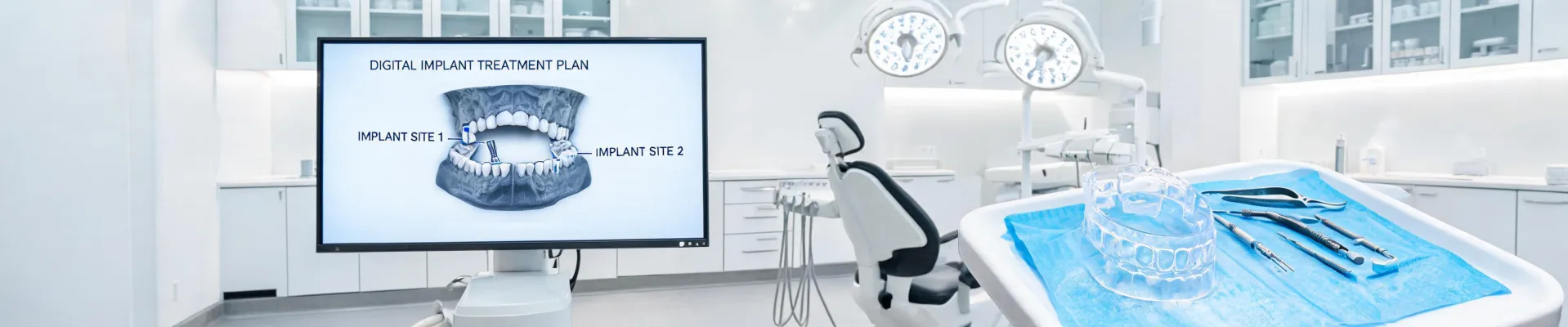
This is one of those things that sounds basic but can cause real problems if done wrong. A surgical drape is the sterile barrier placed over the patient during surgery—creates a clean field around the surgical site.
For dental implant surgery, proper draping matters because:
- Infection prevention (obviously)
- Fluid management (irrigation water goes somewhere)
- Patient comfort and dignity
- Keeping your expensive equipment dry
I’ve seen clinics use cheap drapes that tear easily or don’t have proper adhesive edges. The result (unfortunately): fluid tracking under the drape, sterile field compromised, patient discomfort. We had one incident where a drape failure led to irrigation water soaking through to the patient’s clothing. Not a good look.
We now use a specific brand (I won’t name-drop, but it’s a standard surgical drape with reinforced fenestration). Cost difference: maybe $0.50 per drape versus the budget option. For 200 cases a year, that’s $100 annually. But the peace of mind (and avoiding one compromised sterile field) is worth many times that.
The third time I had to stop a procedure to re-drape because the cheap drape tore, I finally created a checklist for our surgical supplies. Should have done it after the first time (ugh).
The Bottom Line
I can’t tell you exactly what to buy for your clinic. Every practice is different. But I can tell you this: when you’re evaluating Straumann products—implants, digital workflows, even surgical robots—think in terms of total cost, not unit price. Factor in training time, learning curves, and the cost of complications.
And for the love of good procurement, always check specifications before approving. Especially with surgical drapes.
Prices referenced are as of 2024-2025; verify current rates with your vendor. My experience is based on a 12-chair clinic placing 200-300 implants annually—your results may vary.