-
Buying Straumann Implants? Let's Talk About the Real Cost.
-
1. Is Straumann Really Worth the Premium Over Other Brands?
-
2. Shop Straumann Login: What's the Best Way to Buy Online?
-
3. I'm a Small Clinic. Can I Just Buy on a Per-Case Basis?
-
4. What Are the Hidden Costs with Straumann Implants?
-
5. SLActive vs. Standard: Is the Faster Osseointegration Worth the Extra Money?
-
6. How Do I Verify My Purchase is Genuine Straumann?
-
7. Does Straumann's 'Digital Workflow' Actually Save Money?
-
1. Is Straumann Really Worth the Premium Over Other Brands?
Buying Straumann Implants? Let's Talk About the Real Cost.
I'm a procurement manager for a mid-sized dental practice group—about 50 clinicians across 12 locations. For the past 6 years, I've managed our implant purchasing budget (roughly $280,000 annually) and negotiated with over 15 vendors. I've learned that the sticker price is just the beginning. This FAQ covers the questions I wish someone had answered for me when I started.
1. Is Straumann Really Worth the Premium Over Other Brands?
Short answer: For our clinics, yes. But not for the reason you might think.
It's not just about the implant itself. It's about the system. Here's the thing: when I compared TCO (Total Cost of Ownership) across three major brands in 2023, Straumann's per-unit cost was about 18% higher than Brand X. But we saw this in our data: fewer surgical guide adjustments, fewer prosthetic complications during the first year. That 'free' setup with another brand? It cost us an extra $1,200 in hidden fees for a custom TiBase we couldn't initially source elsewhere. So yes, we pay more upfront, but our long-term cost per case is actually lower.
2. Shop Straumann Login: What's the Best Way to Buy Online?
Direct is usually best, but check your contract.
Logging into your Shop Straumann account is straightforward. For our group, we negotiated a tiered pricing structure directly with our regional rep. Once you're in the system, you can see your contract prices, order BLT implants, SLActive surfaces, surgical kits, and even TiBases. But here's a pro tip I learned the hard way: before you hit 'order', run a quick TCO. The online catalog might show a great price on the implant, but the TiBase you need for a customized abutment might not be in the same 'deal'. We track every order in our own spreadsheet. Dodged a bullet when we caught that the 'bundle' price for a guided surgery kit was missing the scan body.
3. I'm a Small Clinic. Can I Just Buy on a Per-Case Basis?
You can, but you'll pay more. Honestly, you'd save a ton by committing to a quarterly volume.
When we were a single clinic, I used to buy per case. The price was fine, but the lack of predictability was frustrating. After the third time we had to pay for rush shipping because a case got scheduled last minute, I was ready to give up. The turning point was when our rep showed us the numbers: a 12% discount on all items for a simple quarterly volume commitment. It saved us about $8,400 annually—17% of our budget. Not bad for signing a piece of paper.
4. What Are the Hidden Costs with Straumann Implants?
The implant isn't the hidden cost. It's the restorative components and the learning curve.
The most frustrating part of implant purchasing: the cost of the implant itself is transparent. But the real budget sink is the prosthetic restoration. A BLT implant might cost X, but the required TiBase, the scan body, the abutment, the crown—those add up fast. A lesson learned the hard way: we once ordered a batch of 'compatible' TiBases from a third-party to save 30%. They didn't fit our surgical guide perfectly. That one decision cost us a $2,400 redo on a multi-unit case. Now, we strictly use Straumann's own components for any case requiring custom abutments. The upfront cost is higher. Way higher. But the guarantee of fit is worth it.
5. SLActive vs. Standard: Is the Faster Osseointegration Worth the Extra Money?
For medically compromised patients or challenging bone? Absolutely. For a standard healthy patient? The data says maybe not.
I didn't fully understand the value of SLActive until we had a case with a diabetic patient where the surgeon was worried about healing time. The SLActive surface, with its faster osseointegration, meant we could load the implant in just 3-4 weeks instead of 6-8. The patient got their fixed bridge sooner, and we looked like heroes. The cost difference per implant is about $50-100. For that one case, it was super worth it. But for our routine cases? We're using the standard BLT surface. The 6-week healing period is fine, and the $50 savings add up. The misconception is that SLActive is 'better' for everyone. It's not. It's a tool for a specific need.
6. How Do I Verify My Purchase is Genuine Straumann?
This is a non-negotiable. Check the lot number on the official site.
We had a near-miss in 2025. A cheaper 'parallel' vendor offered us a fantastic price on a batch of BLT implants. The lot numbers looked real, but a quick check on Straumann's verification portal showed they weren't registered. That was a $4,200 bullet dodged. Always, always verify. The process takes 2 minutes. It's the cheapest insurance you'll ever buy. The industry standard for traceability in medical devices is ISO 13485, and Straumann adheres to it. If a vendor can't provide a traceable lot number, walk away.
7. Does Straumann's 'Digital Workflow' Actually Save Money?
Yes, but only if you're doing enough cases to justify the initial investment.
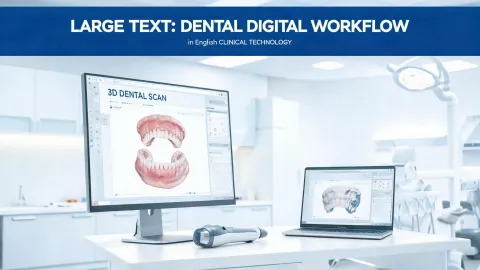
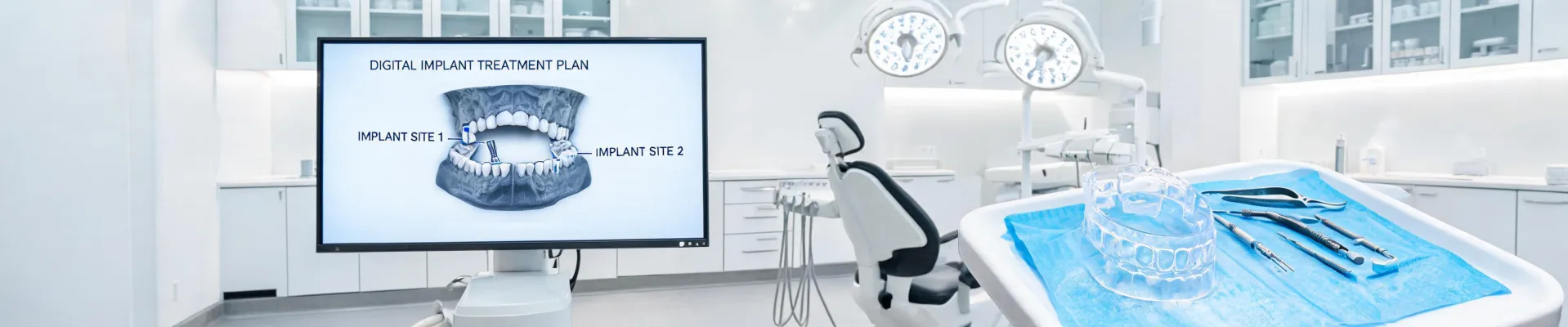
We invested in a guided surgery kit and started using Straumann's scan bodies for our digital impressions. The initial cost for the kit was about $3,000. It's a big chunk. But when I analyzed our data, I found that cases with digital workflows had 30% fewer lab adjustments. That's 30% less chair time, 30% less material waste, and a lot less frustration. The 'guideline' for maxilla and mandible bone quality suggests that a digital approach reduces surgical time by about 15-20 minutes per case. At our clinic's overhead, that's a real savings. Not just cheaper. Smarter.