It was a Tuesday morning in March 2024. I remember because I was staring at my third cup of coffee, trying to make sense of an invoice that had more zeros than my usual budget allowed. Our lead surgeon had just performed a complex guided surgery case using a Straumann BLT implant and a third-party TiBase that, according to the lab, “just didn’t sit right.” The case had to be redone. The lab fee? $1,200. The implant itself was fine. The problem was the component mismatch.
I’ve been managing purchasing for a 12-person dental clinic for about four years now—roughly $350,000 annually across 8 vendors. I report to both operations and finance, which means I’m stuck in the middle. The doctors want the best products. Finance wants the best prices. And I want both without getting yelled at.
How It Started: The Freebie That Wasn’t Free
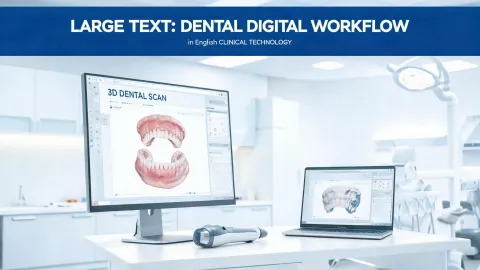
The whole mess started with a free sample. A new distributor rep came in—friendly guy, knew his stuff—and offered us a trial kit of Straumann surgical guides. He said the digital workflow would save us chair time. He was right about that. But he didn’t mention that the workflow required specific components. Specifically, Straumann-compatible TiBase for the final restoration.
Our lab usually sources their own abutments. They’re a well-known operation, been in business 20 years. So when I ordered the surgical kit (part number: 031.0051, for the record), I just sent it to the surgeon. The doctor was thrilled. The guide fit perfectly. The surgery went smoothly. Then the restoration phase hit a wall.
“The lab called me on a Thursday afternoon. ‘This TiBase doesn’t match the implant platform. We need the Straumann-specific part.’ I didn’t even know there was a difference.”
The Cost of Ignorance (Literal Dollars and Sense)
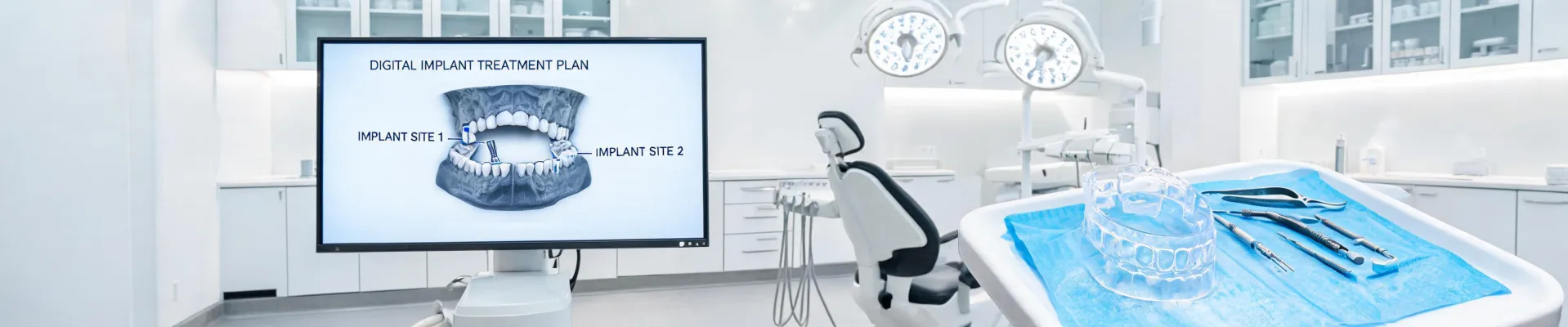
Here’s where it gets expensive. The digital guide was designed for a Straumann BLT implant. The lab assumed they could use a generic TiBase. Turns out, the tolerance for the prosthetic connection is tighter than my quarterly budget review. The generic part didn’t seat properly. The lab remade the crown with a genuine Straumann TiBase (part #048.360, priced around $85 retail). The extra lab work cost $1,200. The delay cost us an unhappy patient. And the rep who gave us the “free” guide kit? Nowhere to be found.
I learned a hard lesson that month. The surgical guide was free. The implant was $250. The TiBase was $85. The redo cost $1,200. The math doesn’t work.
Mindshift: The Rep Who Explained Things vs. The Rep Who Just Sold
After that debacle (note to self: always verify component compatibility before ordering), I changed my entire approach to vendor relationships. I now request a 15-minute component compatibility walkthrough for any new product. If the rep can’t explain why a Straumann TiBase is needed for a Straumann digital guide, I find a different rep. It took me about 6 months and 3 more near-misses to fully internalize this.
The good vendors—the ones who actually educate you—are worth way more than the price difference. One of our current Straumann distributors, for example, sends a quarterly compatibility update. “You switched from Standard Plus to BLT? Here’s what changes in your prosthetic inventory.” That’s gold. Seriously gold.
What I Now Look For in a Vendor (Procurement Edition)
- Component cross-reference matrix: Can they tell me exactly which abutments and TiBase work with which implant platform?
- Digital workflow documentation: Not just a sales deck, but actual step-by-step instructions for lab communication.
- Post-sale support: If the lab has a problem, can I call someone who actually knows the product?
- Invoice clarity: No hidden fees. No confusing line items. Period.
The inverse is also true. I now avoid vendors who can’t provide proper documentation. That $2,400 rejected expense from 2022 (a different vendor, handwritten receipt) was enough to teach me that lesson. Reverse validation at its finest.
The Bigger Picture: Why Education Matters in B2B Medical Device Procurement
Look, I’m not a dentist. I’m not an engineer. I’m an administrator who orders stuff. But I process 60-80 orders a year for implant components, digital guides, and surgical motors. The difference between a smooth case and a $1,200 redo is often a 5-minute conversation about product compatibility.
I’d rather spend 10 minutes explaining options (or having them explained to me) than deal with mismatched expectations later. An informed customer asks better questions and makes faster decisions. Fact.
This applies beyond just implants. When we were evaluating a new CT scanner for guided surgery planning, I asked the same questions: What’s the DICOM export file size? What’s the required field of view for Straumann software? Does the scanner integrate with the implant planning software, or are we looking at manual data transfers? The good sales rep had answers. The bad one said, “It should work.” (Spoiler: it didn’t.)
What I Wish I Knew About Integrating Digital Workflows
After 4 years in this role, I’ve come to believe that the biggest hidden cost in dental implantology isn’t the implant—it’s the integration cost. A stand-alone device (say, a CT scanner or a cardiac monitor in a medical setting) is easy to buy. But when you start connecting things—digital impressions to implant planning software to surgical guide manufacturing to prosthetic design—that’s where the complexity (and cost) compounds.
“The what is in vitro diagnostics question isn’t that hard to answer. The hard question is: how does this diagnostic tool integrate with my existing workflow?”
Take in vitro diagnostics, for example. It’s a broad category—lab tests, point-of-care devices, genetic screening. If you’re a dental practice considering adding salivary diagnostics, you need to know: Does the test require special handling? How long for results? Does it integrate with your practice management software? The same principle applies. Integration > Features.
Bottom Line: The Real Cost of the Cheapest Option
So what did I learn from that $1,200 mistake? Three things:
- Free samples are not actually free. They commit you to a workflow. Make sure you understand the full component chain before you accept.
- Vendor education is a feature, not a bonus. If a rep can’t explain compatibility, they’re not a partner—they’re a salesperson.
- Document everything. I now keep a compatibility spreadsheet for each implant system we use. It took me 2 hours to set up. It’s saved me probably 50 hours in rework and $5,000 in avoided mistakes.
The funny thing is, after that initial disaster, we actually became a bigger Straumann user. Not because the products are perfect (nothing is), but because the good reps in their network helped us get the workflow right. They educated us. And that’s worth more than any discount.
Bottom line: don’t be like me. Ask the compatibility question before you order, not after. And if a rep gives you a free sample? Ask for the full compatibility matrix first. Seriously.