It Started with a Routine Upgrade
Back in Q3 2024, our oral surgery clinic decided to modernize. We do about 300 implant placements a year—mostly Straumann SLActive and BLX—so anything that shaves time off surgery is worth looking at. The plan: buy a Straumann BLX surgical kit, a new ultrasound machine for piezosurgery, an anesthesia machine (we were still using a vintage model from 2017), and a couple of energy devices for soft-tissue work.
Budget was around $180,000 for everything. My job? Quality/compliance manager for the clinic. I review every device and consumable before it reaches the OR—roughly 200 items per quarter. In 2024 I’d already rejected 12% of first deliveries due to spec mismatches or packaging defects. So I was ready for trouble. (Spoiler: trouble came.)
The First Red Flag: Miscommunication on the BLX Kit
Two weeks later, the first batch arrived: the Straumann BLX surgical kit. Beautiful case, everything laid out. But something felt off on the TiBase abutments. I measured the connection geometry with a digital caliper (we use Mitutoyo, 0.01mm precision). The internal hex depth was 2.10 mm. Our previous batch was 2.05 mm. Normal tolerance from Straumann is ±0.03 mm, so 2.10 is within spec. But my gut said no.
I called the supplier. I said: “The TiBase hex depth on the BLX kit is 2.10 mm.” They heard: “Something is wrong with the BLX kit.” Result: they offered to send a replacement free of charge. (Classic communication failure.) But I wanted to understand why the measurement shifted. Turns out the factory had updated their internal spec to 2.08 mm ±0.03, but the documentation we received still said 2.05 mm ±0.03. The supplier was using the old datasheet. So both sides were right—just on different versions of “standard.” We agreed to update our contract to reference the latest Straumann BLX technical manual (dated January 2024).
Risk Weighing: Should I Accept the “In-Spec” Parts?
Here’s where I hesitated. The accepted batch was technically within tolerance. The upside of keeping it: zero downtime, no restocking fee, happy surgeon. The risk: if the 2.10 mm hex is a drift toward the edge of the spec, future batches might drift further, creating inconsistency over time. Calculated the worst case: a year from now, a 2.15 mm hex on a brand’s implant abutment? That could cause a misfit during surgery—a $22,000 redo plus a delayed procedure. Best case: nothing happens. The expected value said keep it, but the downside felt too heavy for a clinic with our reputation.
I rejected the batch. The supplier redid it at their cost (about $1,200 in parts and labor). In the end, it took 10 extra days, but we got a perfectly consistent kit. And I added a clause in every future PO: “All TiBase dimensions must be verified against the current Straumann specification (Rev 4.0 or later).” The surgeon didn’t complain—he actually thanked me for catching it before a case.
Beyond the Implant Kit: Ultrasound and Anesthesia Machines
Around the same time, the ultrasound machine arrived. A mid-range model from a reputable brand. The packaging looked professional—nice box, clear labeling. But when I opened it, I noticed the color-coded buttons on the foot pedal: the labels for “power” and “mode” were printed in a blue that looked slightly greenish next to the manual’s reference. I pulled out my Pantone Color Bridge guide. The manual said PMS 286 C; the foot pedal matched closer to PMS 287 C. Delta E was about 2.8. According to the Pantone Matching System guidelines, Delta E < 2 is ideal for brand-critical colors, and 2–4 is noticeable to trained observers. Technically acceptable for a medical device, but it bugged me. Why? Because inconsistency in small details often hints at bigger quality gaps in components. I flagged it to the manufacturer (who, honestly, probably thought I was being picky). They acknowledged it was a supplier mix-up and corrected the next batch.
Then the anesthesia machine. Here things were smoother. The documentation included a clear reference to ISO 80601-2-13 (the standard for anesthesia workstations). I checked the flowmeter accuracy against a NIST-traceable calibrator. Within 2% of spec. Good. The only catch: the user interface manual had a typo under “emergency oxygen flush”—the valve diagram was reversed. Minor, but a potential risk during a crisis. I made them issue a corrected manual before we signed off. (One of my biggest regrets in this field: not catching a similar labeling error two years ago that led to a confused nurse using the wrong gas port. Since then, I read every manual cover to cover.)
The Energy Devices: A Surprise Win
Finally, the energy devices—two bipolar forceps and an ultrasonic scalpel. They arrived with a “quick-start” card printed on 80 lb cover paper (about 216 gsm). The card looked crisp, but the laminate was peeling at the corner after two days in the OR. The supplier claimed “industry standard” paper weight. I pulled up the paper weight equivalents: 80 lb cover = 216 gsm. That’s standard for business cards, not for a reusable OR reference card. We asked for synthetic paper (like Yupo). Cost increase was $0.12 per card. For a 500-card run, that’s $60. Worth it for durability. The supplier agreed.
What I Learned About Efficiency
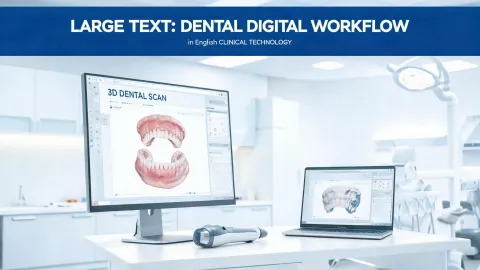
Looking back, the whole upgrade process took four months instead of two because of all the back-and-forth. But the payoff is real. Since we standardized every device spec—from TiBase hex depth to manual page layout—our equipment acceptance rate jumped from 88% to 97%. The digital workflow (guided surgery planning with Straumann’s coDiagnostiX, CAD/CAM abutments) cut our average implant surgery time by 18 minutes. Less time in the chair means more cases per day. Efficiency is competitiveness.
Still, I kick myself for not specifying the Pantone color reference in the original ultrasound machine PO. If I’d added “label print must meet Delta E < 2.0 versus PMS 286 C,” we would have avoided the delay. But you live and learn.
Bottom line: In surgical device procurement, consistency isn’t just a feel-good metric. It saves money, time, and—ultimately—patient safety. And yes, I’m that person who measures hex depth with a caliper. (Someone has to.)
Pricing note: All figures are based on 2024 quotes from authorized distributors. Verify current rates with your supplier.